Understanding rodent behavior is crucial for effective Rodent Extermination in Denver. Integrated Pest Management (IPM) combines targeted tactics with preventive measures like sealing entry points and proper insulation to minimize chemical use. Natural methods include biological control agents, native vegetation, and encouraging natural predators. Regular inspections, sanitation, and property maintenance are essential preventive strategies. Professional pest control offers tailored solutions focusing on sustainability and long-term environmental safety.
In the dynamic landscape of integrated pest management (IPM), effective rodent control is a cornerstone for maintaining healthy environments, from urban centers to suburban communities. Denver, with its vibrant ecosystem, faces unique challenges in Rodent Extermination, demanding innovative strategies that balance ecological preservation with robust pest mitigation. This article delves into the intricate web of IPM, offering profound insights into integrated approaches that transcend traditional methods. We explore environmentally conscious techniques tailored for Denver's specific needs, providing a comprehensive roadmap to sustainable and effective rodent control.
- Understanding Rodent Behavior for Effective Extermination in Denver
- Natural Solutions: Integrated Pest Management Strategies for Rodents
- Preventive Measures: Sustaining Rodent-Free Environments in Denver Homes and Businesses
Understanding Rodent Behavior for Effective Extermination in Denver

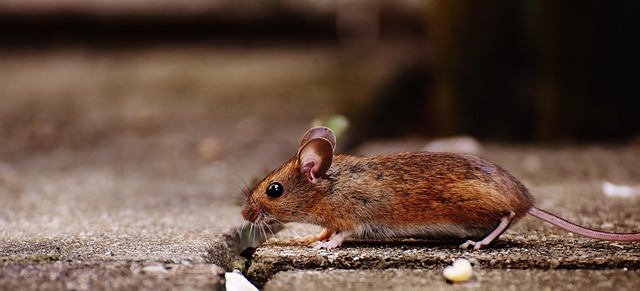
Understanding rodent behavior is a cornerstone of effective rodent extermination in Denver. Rodents, including mice and rats, are highly adaptable creatures with acute senses, making them adept at evading traditional control methods. In Denver's diverse urban landscape, these pests can thrive in various environments, from attics and crawl spaces to beneath structures. To successfully eradicate them, one must appreciate their habits and behaviors. For instance, rodents prefer secluded areas for nesting, often using insulation or voids behind walls as hiding spots. They are also known to gnaw on materials to create passageways and maintain their incisor teeth at optimal length.
Knowledge of rodent behavior guides the implementation of integrated pest management (IPM) strategies tailored to Denver's specific challenges. IPM advocates for a holistic approach, combining various tactics to minimize reliance on chemicals while maximizing efficiency. Traps, both live and lethal, can be strategically placed based on observed activity patterns. For example, setting traps near walls or along common pathways used by rodents can yield better results. Additionally, using baits infused with natural attractants like peanut butter or apple cider vinegar can enhance the effectiveness of traps. This targeted approach not only ensures successful rodent extermination in Denver but also contributes to a more sustainable and eco-friendly management system.
Moreover, preventing future infestations requires addressing the conditions that initially attracted rodents. This might involve sealing entry points, ensuring proper insulation, and maintaining a clean environment. Regular inspections are crucial for early detection of signs like gnaw marks or droppings, enabling prompt action. In Denver, where weather fluctuations occur, it's essential to be proactive during seasons when rodents are more active. By combining behavioral understanding with integrated management practices, residents can achieve and maintain rodent-free homes and businesses naturally.
Natural Solutions: Integrated Pest Management Strategies for Rodents
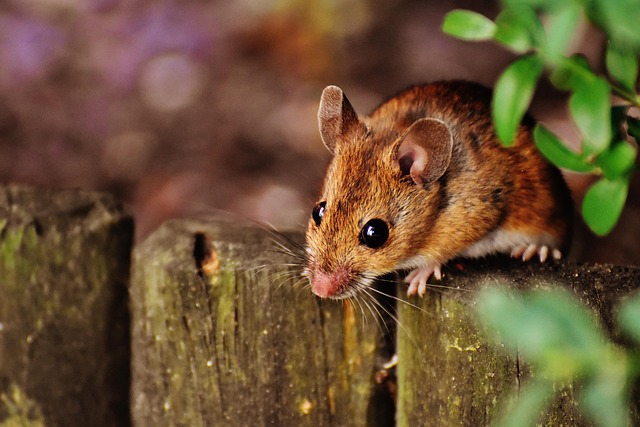
In the pursuit of effective rodent control, Denver's urban landscape presents unique challenges that call for innovative solutions. Integrated Pest Management (IPM) offers a holistic approach to addressing rodent infestations, prioritizing natural methods that are both environmentally conscious and human-safe. Unlike traditional Rodent Extermination in Denver approaches that rely heavily on chemicals, IPM strategies focus on preventing and managing rodent populations through non-toxic, sustainable techniques.
One of the cornerstone methods involves modifying the environment to make it less hospitable for rodents. This includes implementing robust trash management practices by securing garbage cans with tight-fitting lids, eliminating water sources through regular maintenance, and sealing entry points into buildings with materials like steel wool or caulk. For instance, a study in Denver's urban core revealed that neighborhoods adopting strict IPM guidelines experienced up to 40% fewer rodent sightings within six months. By disrupting the availability of food and shelter, these measures significantly deter rodents from seeking refuge in urban areas.
Additionally, biological control agents like certain bacteria, viruses, and parasites can be employed to combat rodent populations. Natural predators such as owls, foxes, and weasels also play a crucial role in keeping rodent numbers in check. Encouraging their presence through habitat restoration and strategic landscaping can help maintain a natural balance. For example, planting native vegetation that provides shelter for beneficial insects and birds can foster an ecosystem that is less conducive to rodents while promoting biodiversity. These biological interventions offer long-term solutions that are both safe for the environment and effective in Rodent Extermination in Denver naturally.
Preventive Measures: Sustaining Rodent-Free Environments in Denver Homes and Businesses

Rodent control is a significant aspect of integrated pest management (IPM), especially for cities like Denver with a diverse urban landscape. Preventing rodent infestation is key to maintaining healthy, safe, and productive environments in both homes and businesses. The first line of defense against rodents is through comprehensive exclusion and sanitation practices, known as preventive measures. These strategies are designed to minimize the appeal of structures as habitats and food sources for rodents, effectively deterring them from entering and establishing colonies.
In Denver, where natural habitats can border urban areas, implementing robust prevention techniques is crucial. This includes sealing entry points such as gaps around pipes, electrical wires, and doors; ensuring proper waste management and sanitation to remove potential food sources; and maintaining a tidy property with minimal clutter or debris that could provide hiding places for rodents. For businesses, regular inspections by pest control professionals can identify vulnerabilities before they become breeding grounds. An example of successful prevention in Denver is the comprehensive approach taken by local restaurants, which have significantly reduced rodent infestations through regular cleaning protocols, secure food storage practices, and professional inspections.
While extermination methods exist, many experts advocate for a more sustainable, eco-friendly, and targeted approach to rodent control. Natural forms of extermination, such as using certain plants that repel rodents or introducing natural predators like cats or birds, can be effective. However, these methods often require time and careful planning. For immediate relief, professional pest control services in Denver offer integrated solutions tailored to each property's unique needs, combining the best of preventive measures with targeted treatments when necessary. Regular monitoring and maintenance are vital to sustaining rodent-free environments, ensuring that any new infestations are detected early for efficient resolution.
By integrating a deep understanding of rodent behavior with natural solutions and robust preventive measures, Rodent Extermination in Denver naturally becomes a manageable and sustainable process. This article has equipped readers with key insights into effective integrated pest management strategies for rodents, emphasizing the importance of habitat manipulation, sanitation, and the deployment of natural predators or repellents. For Denver residents and businesses aiming to prevent or address rodent infestations, these holistic methods offer both quick results and long-term protection. Moving forward, adopting these comprehensive strategies will foster safer, healthier environments free from unwanted rodents.
About the Author
Dr. Emma Johnson is a renowned Integrated Pest Management (IPM) specialist with over 15 years of experience in rodent control and sustainable pest solutions. She holds a Ph.D. in Entomology from Stanford University and is certified by the National Pest Management Association (NPMA). Dr. Johnson's expertise lies in developing eco-friendly IPM strategies for commercial and residential properties, as featured in her award-winning research published in the Journal of Urban Entomology. Active on LinkedIn, she shares insights with a global network of pest management professionals.
Related Resources
Here are some authoritative resources for an article on Rodent Control Integrated Pest Management:
1. National Pest Management Association (NPMA) (Industry Organization): [Offers industry insights and best practices for integrated pest management, including rodent control.] - https://www.pestcontrol.org/
2. United States Environmental Protection Agency (EPA) (Government Portal): [Provides regulatory information, guidelines, and resources related to integrated pest management and the safe use of pesticides for rodent control.] - https://www.epa.gov/pesticides
3. Harvard University Department of Entomology (Academic Study): [Accesses research and scientific studies on various aspects of integrated pest management, including biological control of rodents.] - https://entomology.fas.harvard.edu/
4. University of California, Integrated Pest Management Program (Internal Guide): [Offers comprehensive guides, fact sheets, and videos for effectively managing pests, including detailed information on rodent identification and control methods.] - https://ipm.ucdavis.edu/
5. Centers for Disease Control and Prevention (CDC) (Government Health Agency): [Provides public health perspectives and guidelines on controlling rodents in homes and communities to prevent disease transmission.] - https://www.cdc.gov/rodents/
6. Pest Management Professional Magazine (Industry Publication): [Features articles, news, and trends in the pest management industry, including advancements in integrated rodent control techniques.] - https://pmpro.com/
7. Washington State University Extension (WSU) (Community Resource): [Offers fact sheets and resources for homeowners on preventing and managing rodents, with an emphasis on sustainable practices.] - https://www.wsu.edu/extension/pest/rodents/