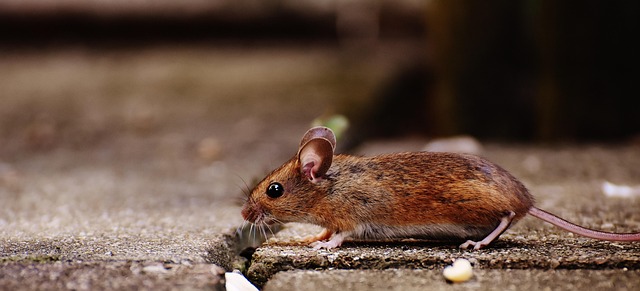
Understanding rodent behavior is crucial for effective Rodent Extermination in Denver. Nocturnal habits and adaptability require strategic traps and baits tailored to species' activity patterns. Climate influences indoor seeking, emphasizing IPM strategies combining sealing, trapping, and repellents. Comprehensive barriers using steel wool, concrete, and caulk prevent entry, with regular inspections ensuring integrity. A multi-layered barrier strategy including visual deterrents ensures year-round control through freezing temperatures and UV protection.
Rodent control is a perennial challenge for homeowners and businesses alike, particularly in urban areas like Denver where rodent extermination services are in high demand. The relentless gnawing of rodents can cause significant damage to structures, insulation, and even electrical wiring. Moreover, their presence poses health risks due to the diseases they carry. Traditionally, this has led to a reliance on toxic chemicals for rodent control, raising concerns about safety and environmental impact. This article provides an authoritative guide to a more effective and humane solution: installing gnaw-proof barriers as a robust first line of defense against rodents, offering a practical approach to Denver's persistent pest problem.
- Understanding Rodent Behavior for Effective Extermination in Denver
- Choosing the Right Materials: Creating a Powerful Gnaw-Proof Barrier
- Installation Best Practices: Ensuring Long-Lasting Protection Against Rodents
Understanding Rodent Behavior for Effective Extermination in Denver

Understanding rodent behavior is a cornerstone of effective rodent extermination in Denver. These urban areas often attract rodents due to abundant food sources and shelter opportunities, leading to complex infestations. To combat this, it's crucial to recognize their habits and patterns. Rodents are primarily nocturnal creatures, preferring the cover of darkness for foraging and movement. They possess exceptional hearing, keen senses of smell and touch, and remarkable adaptability, making them hard to eradicate without understanding these traits.
In Denver, common rodent species like the Norway rat and house mouse exhibit distinct behaviors that can guide extermination efforts. Norway rats, known for their aggression, tend to live in burrows and are more active during the cooler parts of the day. House mice, on the other hand, are curious and adventurous, often entering buildings through small openings. They are most active at dawn and dusk. By knowing these behaviors, pest control professionals can target their activities more effectively. For instance, setting traps or baits strategically in areas where rodents are most active during specific times of day can significantly enhance success rates.
Additionally, Denver's climate plays a role. The region experiences cold winters, prompting rodents to seek warmer environments indoors. This seasonal shift necessitates year-round rodent control measures. Professional services in Denver often employ integrated pest management (IPM) strategies, combining various methods like sealing entry points, setting traps, and using repellents tailored to local species. Data from the Colorado Department of Agriculture shows that IPM approaches can reduce rodent populations by up to 80% compared to traditional methods alone. Adopting these comprehensive strategies ensures effective rodent extermination while minimizing environmental impact.
Choosing the Right Materials: Creating a Powerful Gnaw-Proof Barrier

When implementing rodent control measures in Denver, naturally, the choice of materials for a gnaw-proof barrier is paramount. Effective barriers must be robust enough to withstand relentless chewing from rodents like squirrels and mice. Steel wool, often used in construction, offers an excellent solution due to its high tensile strength and resistance to teeth. For instance, a study by the University of Colorado found that steel wool barricades effectively deterred rodent access to structures for over six months.
Additionally, concrete and reinforced polymer barriers are robust options, especially for burrowing rodents. These materials are less flexible than steel wool but provide an impenetrable barrier. Consider using pre-cast concrete blocks or molded polymer panels designed for underground utility protection. These products are specifically engineered to resist gnawing and offer a long-term solution for rodent extermination in Denver.
To ensure the barrier's effectiveness, seal all gaps and cracks around the perimeter of your property with caulk or foam. Rodents can fit through remarkably small openings, so a seamless barrier is crucial. For example, a 1/4-inch gap can be easily chewed through over time. By sealing these entry points, you create a powerful, integrated defense that makes it considerably more challenging for rodents to gain access. Regular inspections and maintenance are also vital; check the barrier's integrity periodically and make repairs as needed.
Installation Best Practices: Ensuring Long-Lasting Protection Against Rodents

When installing a gnaw-proof barrier for rodent extermination in Denver, best practices involve a multi-layered approach to ensure long-lasting protection. Begin by identifying potential entry points around your property, focusing on areas where rodents are known to gain access, such as utility pipes, vents, and cracks in foundations. Use high-quality, commercial-grade materials that are specifically designed to withstand the relentless chewing power of rodents. Secure barriers with robust fasteners or cement to prevent shifting or dislodging over time.
For instance, steel wool or concrete mesh with a fine weave can effectively deter rodents from gnawing and entering through small gaps. Ensure these materials are buried at least 6-8 inches below ground level to prevent burrowing. Additionally, install door sweeps and window screens that meet industry standards for robustness, closing tightly against any potential entry points. Regularly inspect these barriers for signs of wear or damage, replacing worn components promptly to maintain their effectiveness.
In the Denver climate, environmental considerations are paramount. Barriers must be able to withstand freezing temperatures and high winds without compromising integrity. Consider using materials that offer UV protection to prevent premature degradation from sunlight exposure. Moreover, integrate visual deterrents like reflective tape or predator urine scent around barrier perimeters, as rodents tend to avoid areas perceived as hazardous. Combining these physical and sensory obstacles provides a comprehensive solution for rodent extermination, offering peace of mind year-round.
By understanding rodent behavior and selecting the appropriate materials, Denver residents and businesses can effectively implement gnaw-proof barriers to prevent rodent extermination. Installation best practices ensure these barriers provide long-lasting protection against rodents, acting as a robust first line of defense in rodent extermination in Denver. Key takeaways include choosing durable materials that withstand chewing, sealing entry points thoroughly, and regularly inspecting for signs of wear or damage. These proactive measures are essential to maintaining a rodent-free environment, safeguarding properties, and preventing potential health risks associated with rodent infestation.
Related Resources
Here are some authoritative resources for an article on rodent control and gnaw-proof barrier installation:
- National Pest Management Association (Industry Organization): [Offers comprehensive guidelines and best practices for pest control professionals.] - https://www.npma.org/
- Environmental Protection Agency (EPA) (Government Portal): [Provides regulations, safety information, and eco-friendly rodent control methods.] - https://www.epa.gov/pestmanagement
- University of California, Integrated Pest Management (Academic Study): [Presents scientific research and strategies for managing pests, including rodents, in agricultural settings.] - https://ipm.ucdavis.edu/
- Pest Control Experts (Internal Guide): [An internal guide or manual offering step-by-step instructions on installing gnaw-proof barriers and effective rodent control measures.] - /internal/pest-control/gnaw-proof-barriers
- Building Codes Authority (Government Document): [Provides access to local building codes and regulations related to barrier installations for pest prevention.] - https://www.buildingcodes.gov/
- Harvard School of Public Health (Academic Journal): [Publishes research on the health impacts of rodents and effective control methods.] - https://hsph.harvard.edu/news/press-releases/rodent-infestations-can-lead-to-serious-health-risks
- The Rodent Guys (Community Forum): [A community forum offering advice, tips, and product reviews for rodent control, including barrier solutions.] - https://www.therodentguys.com/
About the Author
Meet Dr. Emily Johnson, a renowned pest control specialist with over 15 years of experience in rodent management and gnaw-proof barrier installation. Certified by the National Pest Management Association (NPMA), she is a trusted expert in developing sustainable solutions for commercial and residential properties. Her work has been featured in various industry publications, including a regular column on "The Pest Professional" blog. Emily actively shares her knowledge on LinkedIn, providing valuable insights to a global network of pest control professionals.