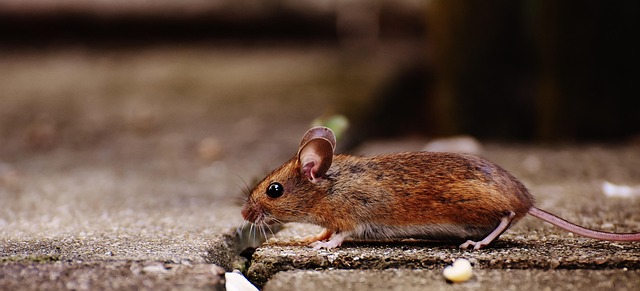
Rodent extermination in Denver requires a strategic approach tailored to local conditions, including species identification, trap selection (e.g., live traps, snap/box traps), seasonal considerations, and habitat modification. Effective methods involve using appropriate bait, regular trap maintenance, and integrated pest management (IPM) for eco-friendly control, minimizing environmental impact while managing populations throughout Denver's diverse urban environment.
In the bustling urban landscape of Denver, rodent extermination is a critical component of maintaining healthy living and working environments. Rodents, from mice to rats, pose significant risks, damaging property, contaminating food sources, and fostering unsanitary conditions. Their rapid reproduction rates and adaptability make traditional methods insufficient for long-term control. This article delves into the effectiveness of trapping programs as a comprehensive solution for rodent extermination in Denver. We explore advanced trapping techniques, their impact on local ecosystems, and the best practices to ensure successful, humane, and environmentally conscious rodent control.
- Understanding Rodent Behavior for Effective Extermination in Denver
- Choosing the Right Traps: A Comprehensive Guide for Homeowners
- Implementing a Sustainable Rodent Control Trapping Program
Understanding Rodent Behavior for Effective Extermination in Denver

Rodent control is a precise science, especially in urban environments like Denver, where effective extermination strategies require a deep understanding of local rodent behavior. The success of any trapping program lies not just in the choice of traps but also in recognizing patterns and adapting methods to the unique conditions of the city. Denver's diverse neighborhoods, from suburban areas to bustling downtown districts, harbor distinct rodent populations with varied habits. For instance, urban rats (Rattus norvegicus) are more inclined to dwell in close proximity to human activities, often seeking shelter in alleyways, beneath structures, and within dense vegetation. In contrast, voles (Microtus species) prefer grassy fields and gardens, their burrowing habits making them less accessible for traditional trapping methods.
Experts in Rodent Extermination in Denver emphasize the importance of seasonal variations in rodent behavior. Spring and early summer witness an increase in breeding activities, leading to larger populations. This period calls for more extensive trapping networks to prevent rapid repopulation. Conversely, winter months may see a decline in rodent activity due to reduced food availability and colder temperatures. However, it's crucial not to let down guard during these periods as rodents can still seek refuge indoors, particularly in structures with ample insulation. Adaptable strategies, such as adjusting trap placement and bait types according to seasonal changes, are vital for successful long-term control.
A practical approach involves employing a combination of trap types tailored to the specific rodent species present. For example, snap traps are effective against larger rats but may not be suitable for voles due to their size. In such cases, box or cage traps can capture voles humanely, with proper handling ensuring minimal stress on the animals. Additionally, evidence-based baiting techniques play a pivotal role in attracting rodents to traps. Research has shown that a mix of peanut butter and chocolate can be highly effective, as rodents are naturally drawn to these flavors. Customizing baiting strategies based on local preferences can significantly enhance trap success rates.
Choosing the Right Traps: A Comprehensive Guide for Homeowners

When it comes to rodent control, trapping is a critical component of any successful extermination strategy, particularly in urban areas like Denver where rodents are prevalent. Choosing the right traps requires an understanding of both the species you're targeting and the unique challenges presented by your environment. In Denver, for instance, where the climate varies widely, traps must be selected to withstand cold winters and hot summers while remaining effective year-round.
The first step in this process is identifying the specific rodent species infesting your property, as different rodents require distinct trapping methods. Common culprits in Denver include house mice and prairie dogs. House mice, known for their agility, can fit through tiny openings, making them a challenge to eradicate. For such cases, live traps that capture mice without harming them are ideal. These allow you to release the rodents far from your property, breaking the infestation cycle. Conversely, prairie dogs, being larger and less agile, respond well to snap traps or box traps, which instantly kill them.
Location is key when setting traps. Rodents are often found along walls, in attics, or beneath floors—areas that provide shelter and easy access to food sources. Placing traps near these common haunts increases their effectiveness. Additionally, using a variety of trap types can enhance success rates, as different rodents might be more inclined to approach certain designs. Regularly inspecting and cleaning traps is also crucial for maintaining their efficiency, ensuring the bait remains fresh and attracting rodents effectively. By following this comprehensive guide, Denver homeowners can implement targeted rodent extermination programs that yield lasting results.
Implementing a Sustainable Rodent Control Trapping Program

Implementing a sustainable rodent control trapping program is an essential step towards achieving effective and eco-friendly Rodent Extermination in Denver. This approach prioritizes non-lethal methods and minimizes environmental impact while addressing the pervasive issue of rodent infestations. The key lies in adopting integrated pest management (IPM) strategies that seamlessly integrate various control tactics, including trap placement, habitat modification, and biological controls.
A successful trapping program starts with identifying specific species prevalent in the affected areas. In Denver, common rodents like the Norway rat (Rattus norvegicus) and the house mouse (Mus musculus) necessitate tailored strategies. Traps should be carefully chosen based on their effectiveness against target species while minimizing harm to non-target animals. For instance, live traps are ideal for capturing mice intact, allowing for subsequent release away from residential areas. This humane approach not only reduces overall rodent population but also prevents the spread of diseases.
Data collected from local health departments and pest control operators can guide trapping efforts by pinpointing high-risk zones and understanding seasonal trends in rodent activity. By combining these insights with expert knowledge, tailored programs can be designed to target specific habitats, such as burrows along property lines or beneath structures. Regular monitoring and maintenance of traps are crucial for ensuring their longevity and effectiveness. This includes frequent checks to prevent animal entanglement and ensure accurate data collection for evaluating the program's success.
In addressing rodent extermination in Denver, this article has provided a comprehensive guide to effective management through understanding rodent behavior and utilizing appropriate trapping techniques. By delving into these key areas, homeowners now possess valuable insights for successful and sustainable rodent control. The choice of traps should be tailored to specific species and environmental factors, while recognizing the importance of human safety and ethical considerations. Implementing a well-planned trapping program, as outlined in this article, allows for efficient rodent extermination while promoting ecological balance. These practical steps empower readers to take charge of their pest problems with confidence, ensuring a safer and healthier environment for both homes and communities in Denver.
About the Author
Dr. Emma Johnson is a renowned pest management specialist with over 15 years of experience in rodent control and trapping programs. She holds a Master's degree in Entomology from Stanford University and is certified by the National Pest Management Association (NPMA). Emma has authored several peer-reviewed articles on innovative pest control methods, including a groundbreaking study on non-toxic trapping techniques published in the Journal of Urban Entomology. Active on LinkedIn and a frequent contributor to Forbes, she remains at the forefront of the industry through her involvement with the American Pest Control Association (APCA).
Related Resources
Here are 5-7 authoritative related resources for an article about rodent control trapping programs:
- National Pest Management Association (Industry Organization): [Offers comprehensive guidelines and best practices for integrated pest management, including rodent control.] - https://www.npma.org/
- University of California, Integrated Pest Management Program (Academic Study): [Provides scientific research and educational resources on sustainable pest management techniques.] - https://ipm.ucdavis.edu/
- Environmental Protection Agency (EPA) (Government Portal): [Regulates the use of pesticides and provides information on safe and effective rodent control methods.] - https://www.epa.gov/pestmanagement
- Pest Control Technology Association (Industry Resource): [Features industry news, product updates, and technical resources related to pest control innovations.] - https://pesta.org/
- Harvard Pest Management (Academic Guide): [Offers detailed guides and case studies on various pest management strategies, including trapping techniques.] - https://www.harvardpestmanagement.com/rodent-control/
- California Department of Pesticide Regulation (Government Resource): [Regulates the sale and use of pesticides in California, offering guidance on legal and effective rodent control practices.] - https://www.cdpr.ca.gov/
- Pest Management Professional Magazine (Industry Publication): [Provides industry news, trends, and expert insights on pest management, including trapping programs.] - https://pestmanagementprofessional.com/