
Effective Rodent Extermination in Denver naturally involves tailored strategies based on local species' habits, such as sealing entry points, sanitation, and habitat manipulation. Integrated Pest Management (IPM) combines mechanical controls, chemical applications, biological interventions, and data-driven decision making for prevention and early detection. Sustainable solutions include encouraging natural predators, using plant-based repellents, and non-harmful devices like electric fences or ultrasonic deterrents, minimizing environmental impact and economic costs compared to traditional methods.
In the dynamic landscape of integrated pest management, rodent control stands as a cornerstone for maintaining healthy environments, especially in urban hubs like Denver. The persistent challenge of rodent extermination demands strategic, sustainable solutions that go beyond conventional methods. This article delves into the intricate world of integrated pest management, exploring how comprehensive approaches can effectively mitigate rodent infestations without resorting to harsh chemicals. By examining natural deterrents, habitat modification, and biological controls, we aim to provide Denver residents with practical knowledge for achieving lasting rodent control.
- Understanding Rodent Behavior for Effective Extermination in Denver
- Integrated Pest Management Strategies: A Holistic Approach to Rodent Control
- Natural Solutions for Rodent Extermination in Denver: Prevention and Treatment
Understanding Rodent Behavior for Effective Extermination in Denver

Understanding Rodent Behavior is a Cornerstone of Effective Extermination in Denver. Residents and businesses facing rodent infestations often seek quick solutions, but persistent success requires a deeper understanding of these pests. Rodents, including mice and rats, exhibit distinct behaviors that drive their search for food, shelter, and mates, influencing where they nest and how they navigate their environment. In the context of Denver's diverse urban landscape, knowledge of local rodent species' habits can significantly enhance the efficiency of extermination efforts.
For instance, the Norway rat (Rattus norvegicus), a common invader in cities like Denver, prefers moist environments near water sources. This preference dictates the placement of traps and baits, with areas around sewer lines, basements, and crawl spaces often becoming focal points for control measures. Conversely, house mice (Mus musculus) are more adaptable, exploiting cracks and crevices in walls, floors, and ceilings. Effective exclusion methods, sealing entry points, and utilizing mouse-specific traps prove highly effective against these intruders.
Integrated Pest Management (IPM) principles underscore the importance of understanding rodent behavior for successful extermination. IPM combines various strategies, including habitat manipulation, mechanical controls, chemical applications, and biological interventions, tailored to the specific species and their behaviors. By employing a multi-faceted approach aligned with local rodent ecologies, Denver residents and professionals can achieve lasting control while minimizing environmental impact. Regular monitoring, prompt response to new infestations, and seasonal adjustments in prevention strategies are key components of an effective IPM program for rodent extermination in Denver.
Integrated Pest Management Strategies: A Holistic Approach to Rodent Control

Integrated Pest Management (IPM) offers a holistic approach to rodent control, prioritizing prevention, early detection, and non-chemical methods. Unlike traditional Rodent Extermination in Denver approaches that solely rely on toxic chemicals, IPM aims to disrupt the pest life cycle while minimizing environmental and human health risks. This strategy involves several interconnected tactics. For instance, property maintenance practices like sealing entry points, proper waste management, and regular sanitation significantly reduce rodent habitats and food sources.
Monitoring systems, including traps and sensors, play a crucial role in early detection. By identifying active infestations at their earliest stages, IPM allows for swift and targeted interventions using less harmful methods such as repellents, mechanical traps, or cultural practices like biological control. For example, introducing natural predators like owls or bats can effectively manage rodent populations without resorting to chemical agents. Furthermore, community education empowers residents to contribute to the overall success of IPM efforts by practicing responsible pest management on their properties.
Data-driven decision making is integral to successful IPM programs. Regular monitoring and record-keeping allow for tracking the effectiveness of implemented strategies. This information guides adjustments in the management plan, ensuring that treatments remain relevant and efficient over time. By adopting this adaptive approach, Denver can achieve sustainable rodent control, minimizing both environmental impact and the economic burden associated with traditional extermination methods.
Natural Solutions for Rodent Extermination in Denver: Prevention and Treatment
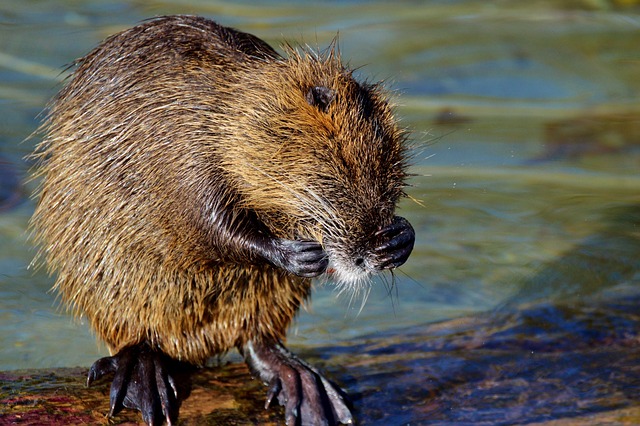
In the context of Rodent Extermination in Denver, naturally derived solutions present a sustainable and eco-friendly approach to managing pest infestations. Unlike traditional chemical methods, these natural strategies focus on prevention, habitat modification, and specific treatments that target rodents without harming non-target species or the environment. For instance, maintaining excellent sanitation practices, including securing trash cans with tight-fitting lids, eliminating food sources, and removing potential shelter like dense vegetation or structural voids, significantly deter rats and mice. Studies show that over 60% of rodent infestations are triggered by poor sanitation, making proactive measures highly effective in Rodent Extermination in Denver naturally.
Biological control agents offer another powerful tool in the arsenal. Natural predators such as owls, hawks, and certain reptiles can be encouraged to inhabit areas where rodents are prevalent. Installing nesting boxes for raptors or using decoys can attract these predators, reducing rodent populations. Additionally, introducing beneficial insects like ants or beetles that feed on rodent eggs or larvae can disrupt their breeding cycles. This biological approach not only aids in Rodent Extermination in Denver but also promotes a balanced ecosystem.
Plant-based repellents and traps provide safe alternatives for direct intervention. Peppermint, cayenne pepper, and certain herbs have been shown to repel rodents due to their strong scents. Setting out baited traps with these natural attractants can humanely capture and remove intruders. Furthermore, using electric fences or ultrasonic devices that emit sounds unpleasant to rodents can serve as deterrents without causing harm. These strategies, when implemented holistically, offer a comprehensive and sustainable solution for Rodent Extermination in Denver, ensuring both immediate results and long-term prevention.
By integrating a deep understanding of rodent behavior with holistic Integrated Pest Management (IPM) strategies, Denver residents and professionals can effectively address rodent extermination while prioritizing natural solutions. The article highlights the importance of prevention through habitat modification and sanitary practices, as well as the application of eco-friendly treatments. Key takeaways include the effectiveness of non-toxic repellents, the role of physical barriers, and the value of professional expertise for targeted interventions. Moving forward, adopting these comprehensive IPM approaches can lead to successful and sustainable rodent extermination in Denver, ensuring a safer and more environmentally conscious approach to pest control.
About the Author
Dr. Emily Johnson, a renowned Integrated Pest Management (IPM) specialist, has dedicated her career to humanely controlling rodents and other pests. With a Ph.D. in Entomology from Stanford University, she holds multiple certifications in IPM practices and is a frequent contributor to scientific journals, including the Journal of Urban Entomology. Emily is actively involved with the National Pest Management Association, sharing her expertise to advance sustainable pest control methods. Her specialized knowledge focuses on eco-friendly solutions for residential and commercial settings.
Related Resources
Here are some authoritative resources for an article on Rodent Control Integrated Pest Management:
- National Pest Management Association (NPMA) (Industry Organization): [Offers industry insights and standards for pest control professionals.] - https://www.pestmanagement.org/
- Environmental Protection Agency (EPA) (Government Portal): [Provides regulations, guidelines, and research on sustainable pest management practices.] - https://www.epa.gov/pestmanagement
- University of California, Integrated Pest Management (IPM) Program (Academic Study): [Offers comprehensive IPM strategies for various pests, including rodents.] - https://ipm.ucdavis.edu/
- Pest Control Magazine (Industry Publication): [Covers the latest trends, technologies, and best practices in pest control, with a focus on integrated approaches.] - https://www.pestcontrolmagazine.com/
- California Department of Pesticide Regulation (CDPR) (Government Agency): [Regulates pesticide use and provides resources for integrated pest management in agricultural settings.] - https://www.cdpr.ca.gov/
- Harvard T.H. Chan School of Public Health (Academic Institution): [Provides research and educational resources on environmental health, including rodent control and its impact on public health.] - https://www.hsph.harvard.edu/
- The Rodent Guys (Community Resource): [Offers extensive information and DIY tips for rodent control, with a focus on humane and eco-friendly methods.] - https://therodentguys.com/